
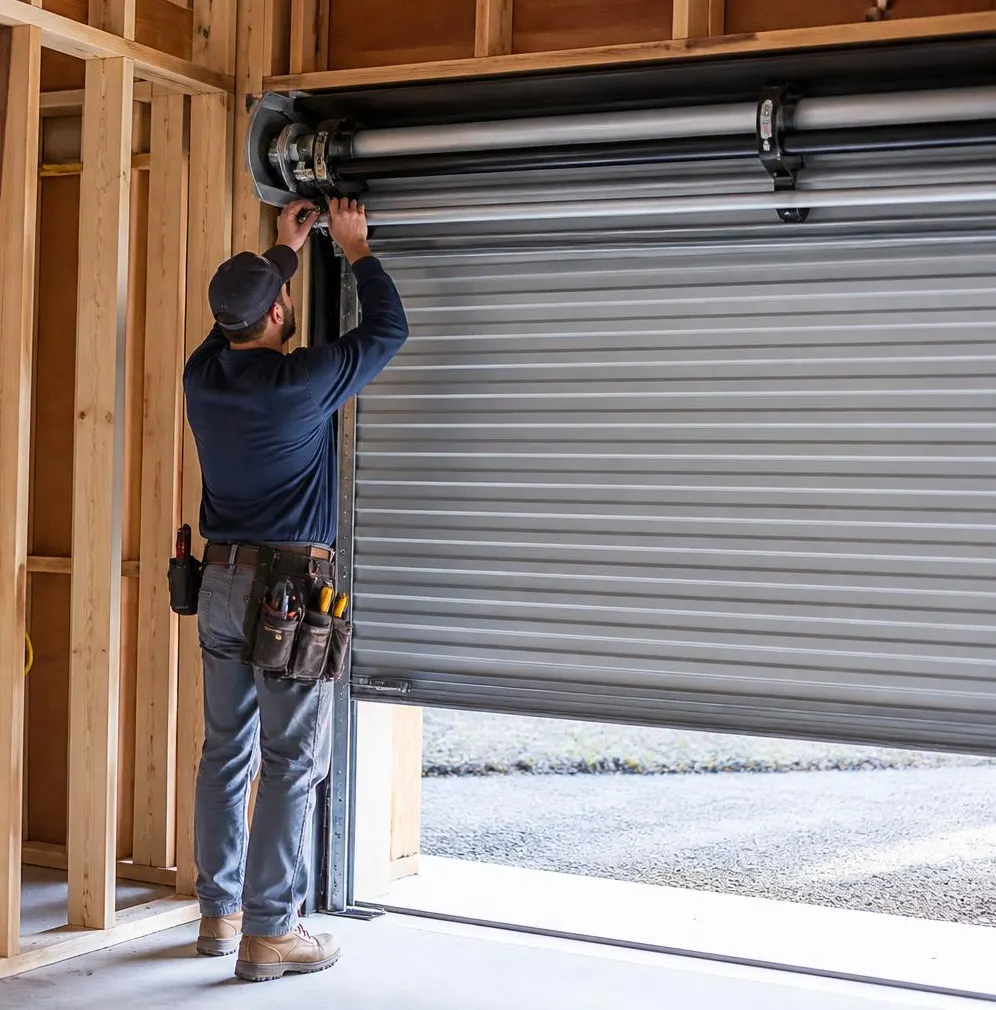
The Lubricant Mistake Almost Everyone Makes First
When people decide to "winterize" the garage door, the first move is almost always grabbing the can of WD-40 sitting on the shelf and spraying it on the tracks, hinges, and rollers. It's tempting because it's already in the garage, it's cheap, and spraying something on moving metal parts feels like real maintenance. The problem is that WD-40 is a water displacer and light degreaser, not a lubricant built to hold up under cold temperatures. It actually strips away the grease that's already protecting your hardware, and once winter humidity and road salt track into the garage, those bare metal parts are more exposed to rust, not less. A proper silicone-based or lithium garage door lubricant is a better call, and it's worth doing this before temperatures drop, since cold grease gets stiff and doesn't spread evenly once the hinges and rollers are already chilled.
Why This Stretch of Ohio Is Hard on Garage Doors
Warren and the rest of Trumbull County don't get a mild, steady winter. You get hard freezes, then a thaw, then ice again, sometimes within the same week. That freeze-thaw cycle is rough on any mechanical system that lives in an unheated garage. Metal contracts in the cold, rubber seals stiffen and crack, and moisture that gets into small gaps can refreeze and expand them further. Add in road salt tracked in on tires and boots, and you've got a recipe for corrosion on springs, tracks, and bottom hardware if nothing is done to protect them before the deep cold sets in.
Check the Weatherstripping and Bottom Seal
The bottom seal and side weatherstripping are your garage door's first line of defense against wind-driven cold and meltwater. Walk around the door from inside with the lights off during the day — if you see daylight coming through gaps, cold air and moisture are getting in too. A seal that's cracked, flattened, or pulling away from the track won't do its job once ice starts forming at the base of the door. Replacing worn weatherstripping is inexpensive compared to dealing with a frozen or warped panel later, and it also helps keep heating costs down if the garage is attached to the house.
Give the Hardware a Real Look, Not Just a Glance
Beyond lubrication, take a few minutes to actually inspect the moving parts instead of just listening for noise:
- Rollers: look for flat spots, cracks, or rust buildup where they meet the track.
- Hinges: check for looseness or metal shavings, which can signal wear before a failure.
- Tracks: make sure they're still aligned and free of dents from summer storm debris or an errant car bumper.
- Cables and springs: look for fraying or visible rust, but don't attempt to adjust or replace springs yourself — they're under heavy tension and this is one job best left to a technician.
Catching a worn roller or a fraying cable now, while the weather is still workable, is a lot easier than dealing with it during an ice storm when the door won't budge.
Don't Forget the Opener and Battery Backup
Garage door openers work harder in winter. Cold air makes motors strain more, and if you lose power during a winter storm, a battery backup (if your opener has one) is what lets you get the car out. Test it now: unplug the opener briefly to confirm the battery backup actually engages, and replace the battery if it's more than a couple of years old. Also check the safety sensors near the bottom of the tracks — road salt and winter grime can coat the sensor eyes, causing the door to refuse to close or reverse unexpectedly. A soft cloth wipe-down takes thirty seconds and prevents a frustrating troubleshooting session later.
Think About the Garage as a Room, Not Just a Door
Many homes in this area use the garage for more than parking — storage, a workshop, or an entry point that stays in use all winter. If panels are dented, insulation is missing, or the door itself is an older uninsulated model, cold air moves through more freely and the swings in temperature put extra stress on the hardware trying to seal a gap that's too large to seal well. If you've been noticing the garage feels noticeably colder than it used to, or condensation forming on the inside of the door, that's worth addressing before winter fully sets in rather than mid-January.
When to Call Warren Garage Door Pro
If you've gone through these checks and found a cracked seal you can't fit yourself, a roller that's clearly failing, or a spring showing rust and wear, that's the point to call in a technician rather than push through. Warren Garage Door Pro handles garage door maintenance visits that cover lubrication, hardware tightening, and alignment checks in one trip, and if a spring or cable is showing its age, our spring replacement service gets that handled safely before it fails on a sub-zero morning when you need the door most. We also service openers, so if your battery backup isn't holding a charge or the sensors are misbehaving, that's a quick fix for us.
If you're in Warren, Niles, Howland, Cortland, Champion, Lordstown, Leavittsburg, or Youngstown and want your garage door ready for whatever this winter brings, give Warren Garage Door Pro a call — we'll get it sorted before the next cold snap hits.